In nine short months, Rady Children’s Health (RCH) in Orange County has launched a comprehensive advanced bronchoscopy program, making it one of only a few pediatric healthcare systems nationwide to offer minimally invasive, advanced diagnostic and interventional bronchoscopy services.
Developing the program since joining RCH last August, Dr. AJ Katz reports several successful patient outcomes since the program went live this April — more than a year ahead of schedule.
Also known as interventional pulmonology, the program allows pulmonologists to look inside a child’s lungs and airways using a thin, flexible camera and specialized tools without the need for open surgery. These minimally invasive techniques allow for safer, faster diagnosis and treatment of many airway and lung conditions.
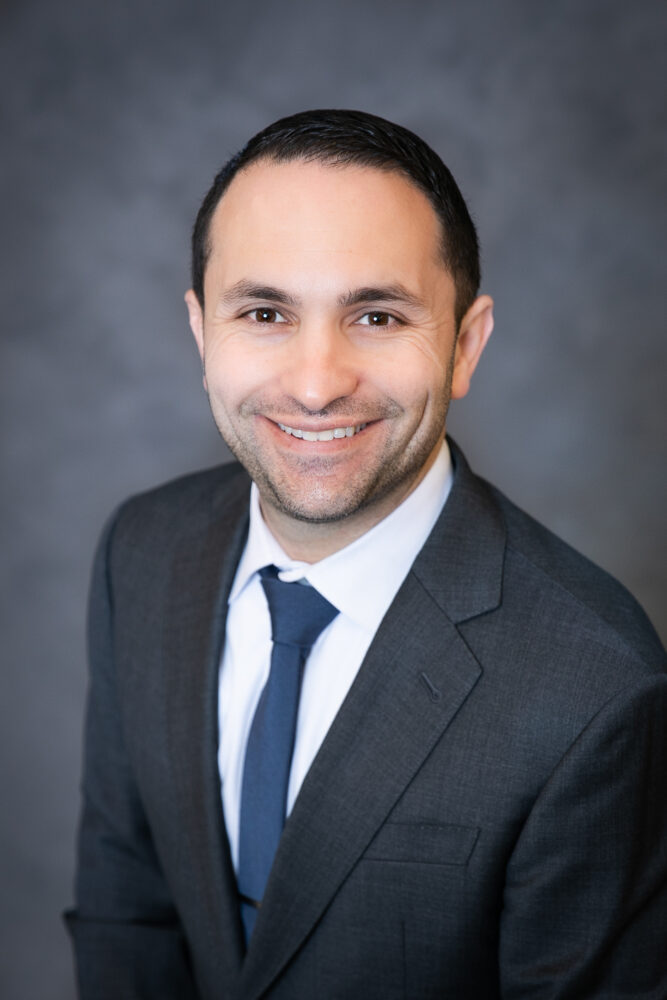
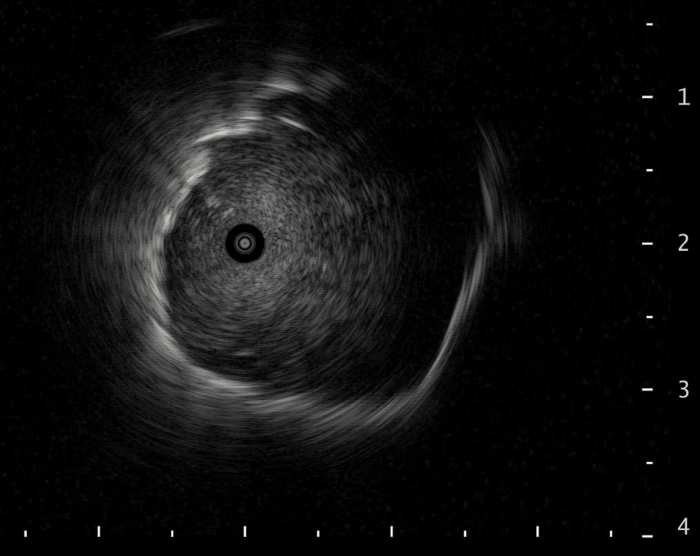
Dr. Katz’s team, working in close collaboration with pediatric anesthesia, critical care, otolaryngology, gastroenterology, radiology, and surgery specialists, provides leading-edge care, including endobronchial ultrasound and CT–guided biopsies, cryotherapy, and endoscopic treatment of tumors, foreign bodies, fistulas, and air leaks.
“We had laid out a two-year plan but now have gone 100% live with all our services,” said Dr. Katz, who was recruited from Children’s Hospital of Philadelphia to develop the innovative program at RCH and whose background includes training with pulmonologists and critical care specialists in the adult medicine world.
“The level of commitment RCH leadership made was not trivial,” he noted. “And there was a lot of buy-in from a lot of colleagues from other departments that allowed us to go live with this. Colleagues across the country are surprised we got the program off the ground so quickly.”
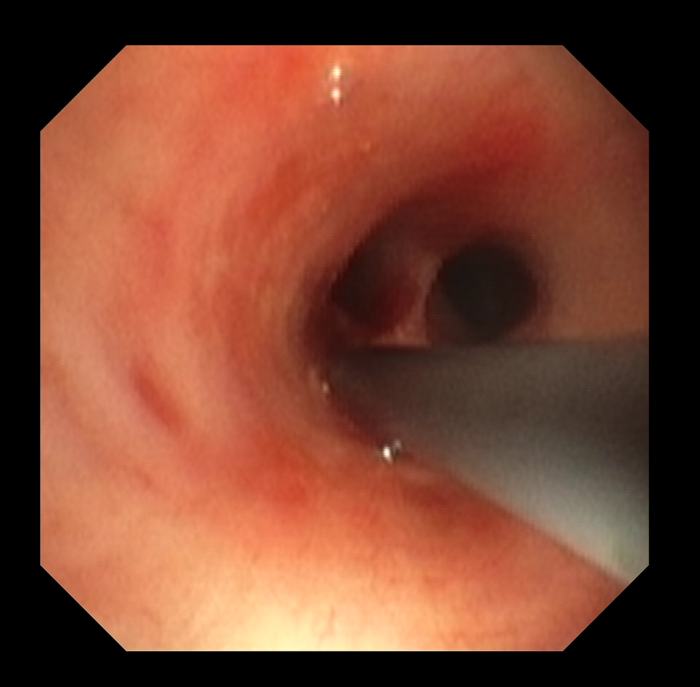
Rady Children’s now is one of a handful of pediatric hospitals in the nation to have an advanced bronchoscopy program, providing the highest quality of care for children with a wide range of airway and lung conditions, including:
- Pulmonary nodules
- Thoracic lymphadenopathy
- Mediastinal masses
- Lung and endobronchial tumors
- Interstitial lung disease
- Plastic bronchitis
- Persistent air leaks
- Tracheoesophageal fistulas
- Airway obstruction or stenosis
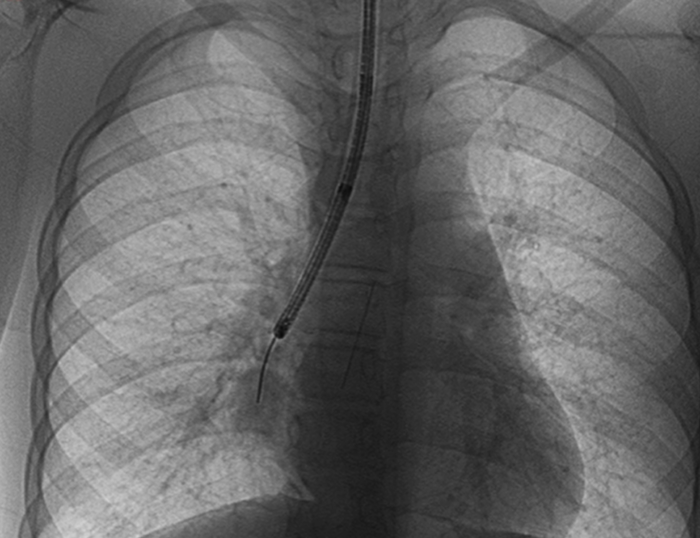
The team specializes in advanced diagnostic and therapeutic pulmonary procedures, including the use of endobronchial ultrasound and CT-guided navigational techniques for transbronchial biopsies.
Additionally, the team provides minimally invasive treatments for complex airway conditions using other leading-edge techniques and technologies:
- Cryotherapy
- Endobronchial valves
- Electrocautery
- Argon plasma coagulation
- Balloon dilation
- Whole lung lavage
Patient success
Dr. Katz provided an example of a patient he recently treated.
One infant had a connection between his trachea (windpipe) and esophagus – a tracheoesophageal fistula (TEF). In healthy anatomy, these two tubes are completely separate, but when an abnormal connection exists, food, saliva, or stomach acid can easily enter the airway and lungs, causing severe coughing, choking, and pneumonia.
“A TEF normally requires surgery in the neck to repair it, but we were able to repair it through the airway in a minimally invasive way, and the infant was in the hospital only for a few days,” Dr. Katz said.
Bridging the adult and pediatric world
Dr. Katz, who grew up in Southern California, has always been interested in the space of medical technology. He knew he wanted to become a doctor after working at a veterinarian’s office while in high school.
After earning his undergraduate and master’s degrees in biomedical engineering at USC, he attended medical school at USC Keck.
Then he underwent nine years of post-graduate training to achieve his long-held desire to advance pediatric pulmonology.
“Pediatrics in this specialty has been trying to catch up to adult medicine, and I wanted to bring the adult world down to pediatrics by offering minimally invasive procedures to children who weren’t being offered them,” Dr. Katz said.
From 2016 to 2020, Dr. Katz served his residency at Loma Linda. He was what the hospital calls a med-peds resident, meaning he trained in both pediatrics and adult internal medicine, spending time with adult pulmonologists, critical care specialists, and interventional pulmonologists.
He then completed two fellowships, first in pediatric critical care at UCLA (in 2023) and a second two-year fellowship in pediatric pulmonology at Children’s Hospital of Philadelphia.
“I chose to train in Philadelphia specifically to learn about advanced diagnostic and therapeutic bronchoscopy for interventional pulmonology in pediatrics,” said Dr. Katz, whose mentor there was Dr. Joseph Piccione. Through his training and experience, Dr. Katz has collaborated with a national group of colleagues and mentors across the country helping to move the field forward.
Dr. Katz wanted to return to his roots in Southern Californian and RCH provided the perfect opportunity for him, he says. He works in both the pulmonology and critical care medicine divisions and has “incredibly supportive leaders” including Dr. Neal Nakra, chief of the pulmonary division and the sleep program, and Dr. Justin Yeh, division chief of pediatric critical care – both of whom were instrumental in recruiting him and building the program.
Dr. Katz estimates that he and his team will be involved in the care of well over 100 patients at RCH within the first year of going live.
This year, he spoke at the American Thoracic Society conference in Orlando and also taught a course at Stanford Medicine Children’s Health. In August, he will speak at the American Association for Bronchology and Interventional Pulmonology in Denver.
Sometime next year, Dr. Katz hopes to put on a conference in Orange County for other pulmonologists on the West Coast to show how RCH built up its advanced bronchoscopy program.
“I’m excited about continuing to bring the frontiers of advanced bronchoscopy procedures to pediatric care,” he said.