The American Academy of Pediatrics (AAP) will hold its 2026 National Conference & Exhibition Oct. 2–6 in San Diego, a gathering that will feature more than 350 educational sessions, practical learning opportunities, and the largest pediatric tech exhibit of its kind.
Three Rady Children’s Health Orange County physicians – endocrinologist Dr. Nikta Forghani, Infectious Diseases Assistant Division Chief Dr. Jasjit Singh, and Nephrology Division Chief Dr. Shoba Narayan – will present at the AAP’s national gathering, which is designed to spark innovative ideas in pediatric care.
Dr. Narayan, as well as Dr. Singh and Forghani, say it’s an honor to have been asked to present at the national meeting. Dr. Singh and Dr. Forghani have spoken at regional AAP meetings before.
Here’s a preview of what these veteran Rady Children’s Health specialists will be discussing.
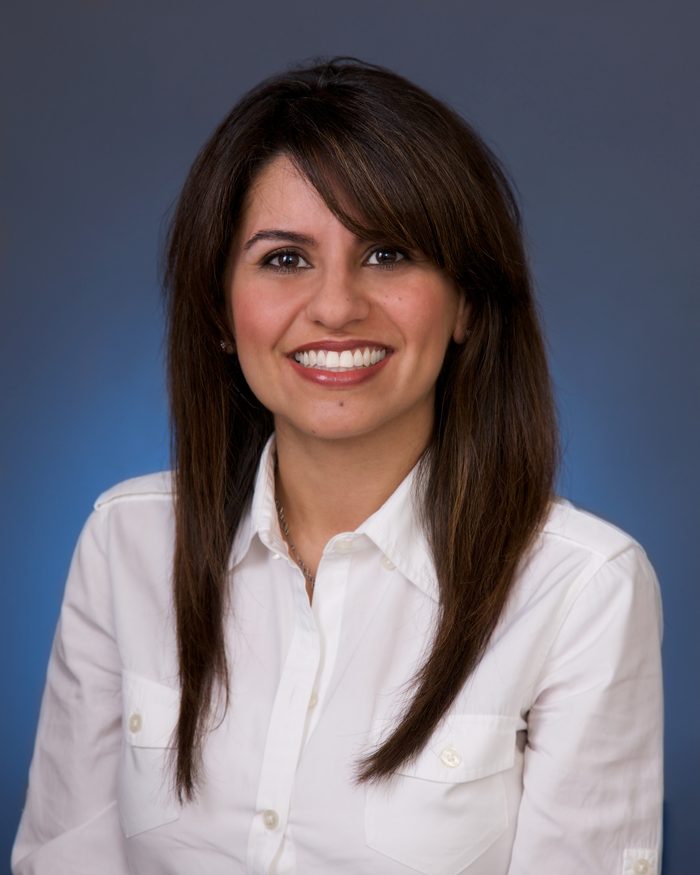
Dr. Nikta Forghani
Pediatric endocrinologist
Topic: “Evaluation and Management of Menstrual Disorders in Teens”
Pediatric endocrinologists treat disorders of the hormone-secreting glands that regulate countless body functions.
“Menstrual disorders is a really common complaint we get,” says Dr. Forghani. “These cases are one of our top referrals and I’m sure that’s the case across the country.”
Dr. Forghani will be presenting data and research on treatment options — what works and what doesn’t work – for what she says is a “super-common condition.”
The average age for a girl to start her period is still 12, but they can start menstruating as early as age 9 or not start until they’re 15, according to Dr. Forghani.
“There’s a spectrum of what’s normal and not normal and what pediatricians should work up,” she explains.
An absence of a period or an irregular period typically is caused by one of three things, she says: estrogen deficiency, too much testosterone, or structural problems involving the genital-urinary tract that prevents normal discharge.
“There are clues during physical exams,” says Dr. Forghani, who has conducted research on estrogen replacement in girls. For example, if there’s not a lot of breast development, it’s probably an estrogen problem. If the child has more hair on her face than you would expect, it’s likely a testosterone issue.
The first half of Dr. Forghani’s presentation will focus on workups and evaluations for pediatricians. The second half will detail two common reasons for menstrual problems: Relative Energy Deficit in sport (REDs), which results in girls being unable to produce estrogen in the typical manner, or Polyendocrine Metabolic Ovarian Syndrome (PMOS).
PMOS (formerly called polycystic ovary syndrome, or PCOS) is a hormone health issue that can start in adolescence. Girls with PMOS may not have periods very often. Or they may have periods that last too long.
The exact cause of PMOS is not known, but insulin resistance, genetics and lifestyle factors play a role. Early diagnosis and treatment along with healthy lifestyles can manage the hormonal dysregulation.
Dr. Forghani’s presentation aims to instruct participants about the normal timing of puberty and progression, to understand the workups needed to determine types of menstrual disorders, and to understand the criteria and treatment of REDs as well as PMOS.
Menstrual irregularity is common, yet complicated, she says. Depending on the etiology, treatment options are straightforward. And more data is needed on adolescents as current guidelines still mostly are based on adult data.
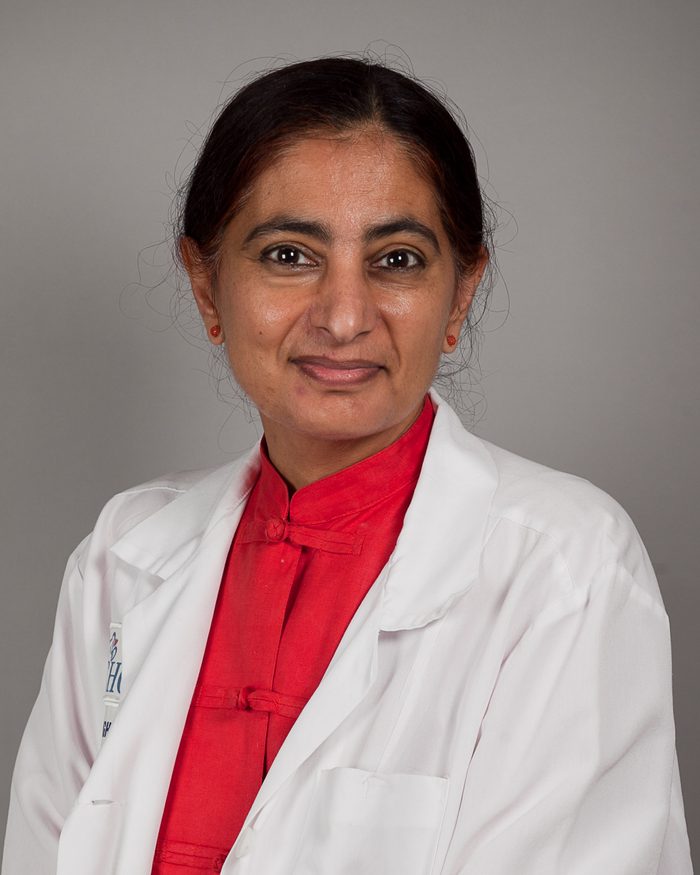
Dr. Jasjit Singh
Assistant Division Chief, Infectious Diseases
Topic: “Evaluation and Management of Pneumonia”
Dr. Singh will cite recent cases she and her team in Infectious Diseases have seen to focus on the risk factors and epidemiology of viral and bacterial pneumonia. She’ll discuss recommendations and guidelines on the diagnosis and management of community-acquired pneumonia, including when to consider blood cultures and admission.
Globally, pneumonia is one of the leading causes of death in children under 5. Risk factors include lower socioeconomic status, cardiopulmonary disorders like congenital heart disease and chronic lung disease, immunodeficiency, and lack of breastfeeding.
“My goal is to make things very practical,” says Dr. Singh, noting that Rady Children’s Hospital Orange County sees a lot of pneumonia cases.
One case she will talk about involves a 13-year-old boy who experienced fevers and coughing for a month. It turns out the boy had ridden an ATV in the Arizona desert and acquired Coccidioidomycosis, or Valley Fever, a fungal lung infection caused by breathing in microscopic spores of Coccidioides fungi. The fungus thrives in dry dirt in the southwestern United States, parts of California, Mexico, and Central and South America.
“I think this case will be interesting for pediatricians who practice on the East Coast who’ve never seen such a case,” Dr. Singh says. “Climate change is expanding the endemic region for some of these organisms, and I will be showing maps that illustrate this.”
Dr. Singh also will highlight research the ID division has been conducting on empyema, a complication of pneumonia in which fluid pools between the lungs and inner wall of the chest, often requiring drainage.
Dr. Singh will shed light on how to assess pneumonia in the outpatient and emergency room setting, identifying the need for hospitalization and risk factors for poor outcomes, and discussing treatment options and considerations.
She will differentiate between age- and risk-specific etiologies of pediatric pneumonia, discuss how to formulate a diagnostic and treatment plan while keeping antibiotic stewardship principles in mind, and how to recognize complications of pneumonia in children including effusion, empyema, and lung abscess.
One interesting fact Dr. Singh will note: pneumonia can present as abdominal pain in children. She also will highlight the use at Rady Children’s Hospital Orange County of more ultrasound and molecular testing on patients suspected of having pneumonia.
“My presentation essentially will outline practical guidelines about what to look for from routine pneumonia and some unusual cases of pneumonia, what the risk factors might be, as well as what some of the complications might be.”
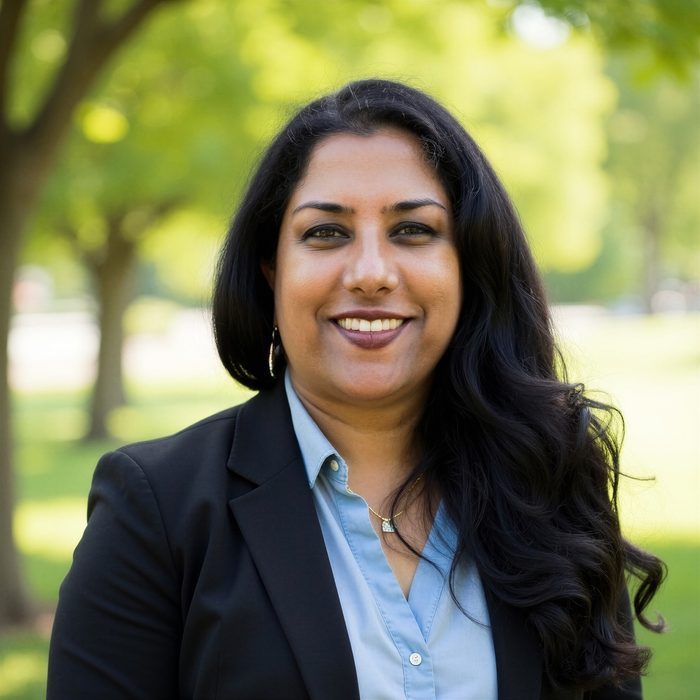
Dr. Shoba Narayan
Pediatric nephrologist, division chief and dialysis director
Topic: “Diagnosis and Management of Pediatric Hypertension”
A specialist in pediatric kidney disease, Dr. Narayan will present a general educational overview of pediatric hypertension, focusing on AAP-issued guidelines in 2017 that updated ones published in 2004.
The older guidelines, she notes, were based on blood pressure readings that included obese children, so some of the higher blood pressures were considered to be normal. The 2017 guidelines included measurements of 50,000 non-obese children, resulting in a lower threshold for hypertension, she explains.
“My talk is an opportunity for pediatricians to review the 2017 guidelines,” Dr. Narayan says. “There are a lot of gap-needs assessments that pediatric practices can adopt. And these guidelines include some simplified tables and classifications for pediatricians to refer to.”
The 2017 guidelines also highlight the importance of a tool Dr. Narayan will talk about: a 24-hour blood-pressure monitoring device.
“It’s hugely underused and has a big potential for quality improvement and cost savings,” Dr. Narayan says. “It’s great at finding true hypertension vs. masked hypertension vs. white coat hypertension, for example.”
In the U.S., 3-5% of children have hypertension and 10-11% have elevated blood pressure. At-risk populations include children with chronic kidney disease, congenital heart disease, diabetes, sleep disordered breathing or premature birth.
“Hypertension definitely is present in pediatrics,” Dr. Narayan says, “and doctors are advised to check the blood pressure of their healthy patients every year but they should check it at every visit for at-risk patients such as those with heart disease, kidney disease, diabetes, and for children who are obese.”
A child’s height and age determine what range is considered healthy blood pressure.
For pediatric patients, sometimes what appears as normal blood pressure for an adult is actually high for them, Dr. Narayan says.
For anyone over age 13, a reading of 120/80 or below is normal. For kids younger than 13 years, the 2017 guidelines provide guidance for normal blood pressure ranges based on age and height.
For children under age 6 who have elevated BP readings, a renal cause is usually the culprit, Dr. Narayan notes. Younger children with hypertension may require an extended evaluation to determine the cause of hypertension.
Dr. Narayan also will mention a recent quality-improvement initiative at Rady Children’s Hospital Orange County. A blood-pressure initiative looked at specialty clinics to see how often BP was evaluated.
“We found the baseline blood-pressure measurement in our clinics to be low,” she explains. “Through education, we have improved that baseline and added some new tools to our EHR (electronic health record) system.”
Dr. Narayan will also highlight updated technological tools that can be used daily in practice to identify patients with hypertension and who need more follow-up.
For more information about the conference, visit AAP Experience: National Conference & Exhibition – Oct. 2-6, 2026